
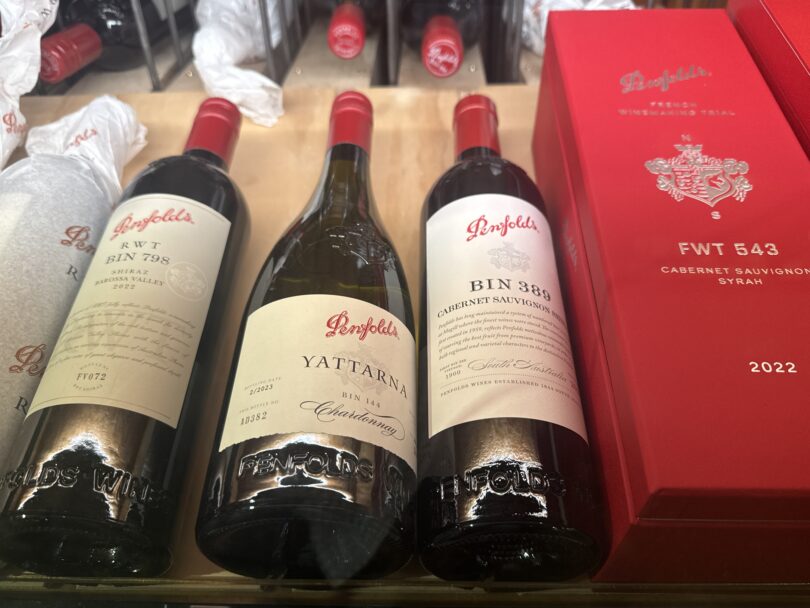

TREASURY WINE ESTATES UNVEILS RADICAL “ASCENT” RESET: PORTFOLIO HALVED AS LUXURY PIVOT ACCELERATES
Wine Business News Report/Compiled by the Editor A.Ritenis with assistance of Gemini AI
Posted Sunday 14 June 2026
MELBOURNE — In its most aggressive operational overhaul in years, Treasury Wine Estates (ASX: TWE) has announced a sweeping multi-year transformation strategy dubbed “TWE Ascent.” Confronting a brutal global wine downturn and shifting consumer habits, the global wine giant plans to slash its brand portfolio by more than half, consolidate production, and aggressively divest underperforming vineyard and winery assets.
The core thesis driving the strategy is clear: global consumers are drinking less wine overall but are willing to spend more on high-end, premium bottles. To align with this “less but better” market shift, TWE is aggressively cleaning house.
The Big Cull: 76 Brands Down to Fewer Than 30
TWE is executing a strict triage of its portfolio. Non-priority labels will face alternative pathways over the coming years, including tactical deployment, retirement, or outright divestment.
The strategy divides the remaining business into a hyper-focused architecture:
- The Three “Power Brands”: Penfolds, DAOU, and Matua. These pillars cover luxury red, luxury white, and modern refreshment, and will receive the lion’s share of global investment.
- The Seven “Regional Heroes”: Frank Family Vineyards, Beaulieu Vineyard, Stags’ Leap Winery, Wynns, Squealing Pig, Pepperjack, and Coldstream Hills.
- The Target: TWE expects these 10 core brands to generate 90% of the company’s net sales revenue within five years.
Anything outside this inner circle is at risk. Mass-market commercial brands like Rawson’s Retreat face the chopping block as TWE eliminates more than 40 brands to hit its target of a streamlined, sub-30 brand portfolio.
Silicon Valley and Beyond: The Asset Divestment Blueprint
The operational side of the “Ascent” program features a massive consolidation of supply chains, focused heavily on shedding physical real estate in California and Australia to unlock capital and boost margins.
Confirmed Actions under the “Ascent” Program
| Region | Asset / Brand Focus | Operational Status |
| Paso Robles, CA | Winery & Infrastructure | For Sale |
| San Luis Obispo, CA | Winery & Infrastructure | For Sale |
| Napa, Sonoma, Central Coast | Surplus Vineyards | Planted hectares being substantially reduced |
| St. Helena, CA | Production Hub | Frank Family + Stags’ Leap winemaking consolidated here |
Note on Direct-to-Consumer (DTC): While heavy winemaking production is moving out of the Paso Robles and San Luis Obispo facilities to optimize costs, TWE will maintain DTC operations and tasting room volumes at those closing sites to retain valuable municipal permits.
The Commercial Trap: Retained by Force, Not Choice
The restructuring also highlights a harsh market reality: no one wants lower-end commercial wine assets right now.
A stark contrast in corporate strategy can be seen when comparing TWE to competitor Endeavour Group. While Endeavour recently agreed to sell its physical Oakridge winery while keeping the underlying brand, TWE attempted a total clean break from its commercial tier—and failed.
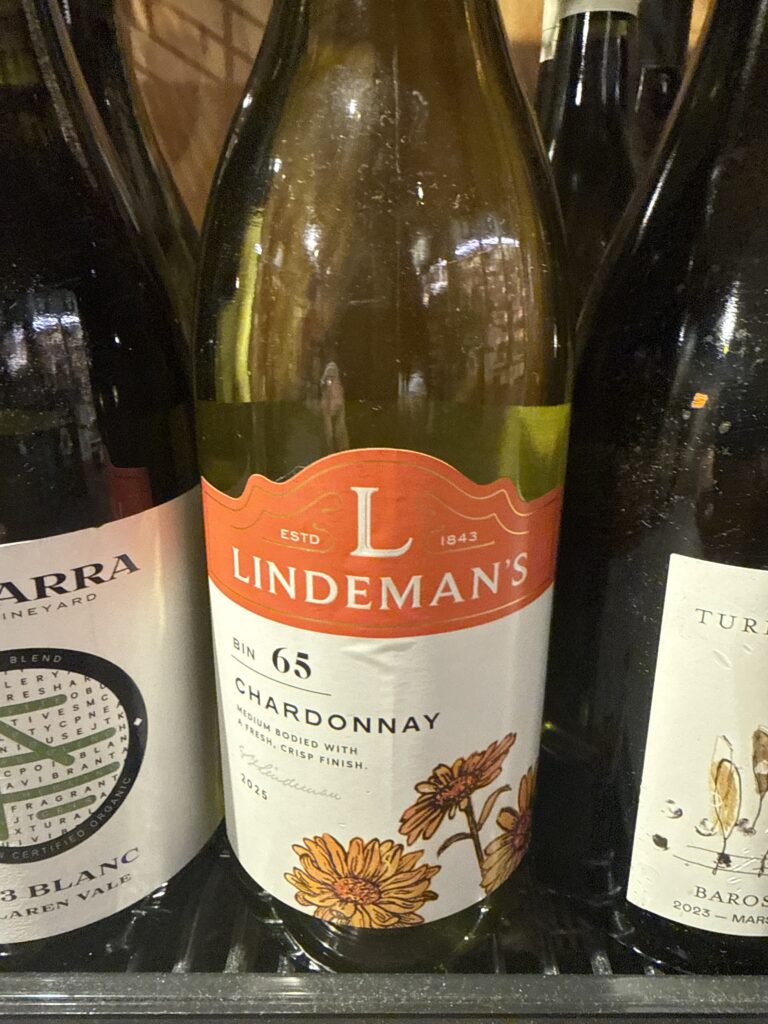
TWE previously announced plans to completely divest its lower-tier commercial mainstays: Wolf Blass, Lindeman’s, Yellowglen, and Blossom Hill. However, TWE was forced to pull the sale after buyers heavily lowballed them.
The commercial division accounted for less than 5% of TWE’s gross profit in FY24. For now, management has conceded that retention is the best course of action to avoid selling at fire-sale prices, but these legacy names remain firmly classified as “non-core.”
Financial Outlook: Squeezing Out A$100M in Savings
The “Ascent” program will not come cheap. TWE projects one-off transformation and asset impairment costs of A$220 million to A$260 million, prompting management to temporarily suspend dividend payments to stabilize the balance sheet.
However, the long-term math is designed to appease the market. The consolidation and brand reduction are targeted to deliver A$100 million in annual cost savings by FY29, driving TWE toward a long-term profit (EBITS) margin benchmark of 25% or more.
Despite the heavy restructuring charges, TWE management forecasts that fiscal 2027 earnings will at least match fiscal 2026, signaling confidence that aggressive cost-cutting can successfully offset declining mass-market volumes.